Failure to Promote Affordable Housing
Failure to Promote Affordable Housing
Failure to Initiate any Affordable Housing during Reed Administration

For the entire period of time that Reed was in office his administration developed no new affordable housing that was not already in the development pipeline prior to the time he came into office. From 2009 to 2016, the city permitted the construction of more than 25,000 new luxury apartments. According to the Housing Justice League, every year since 2012, five percent of Atlanta’s affordable units, which are subsidized for set periods, expired and went to market-rate rents.

Andre Dickens
The convergence of these three factors: (1) no re-supply of the development pipeline; (2) explosive growth in the building of luxury apartments and condominiums; and (3) the attrition of affordable units to market-rate units caused an affordable housing crisis in the City of Atlanta. According to council member Andre Dickens, “People were starving for the development of affordable housing. Over nine years, nothing [from Atlanta Housing] went vertical, nothing had been constructed. It was a missed opportunity.”
In December of 2014 Mayor Reed announced that the City would be selling off Underground Atlanta to a South Carolina Developer for $25.8 million. The plans included new multi-story residential buildings but no affordable housing. According to the developer at the time the target demographic was upwardly mobile young people, staff and students at nearby universities, and empty-nesters. Almost seven years later, the project is total bust. Nothing has been developed. Also, in a press conference announcing the deal Reed touted his affordable housing accomplishments claiming that “No government in the state of Georgia, certainly no government in the region, has done more on affordability than mine.”
Joe Beasley, the southeastern regional director for the Rainbow Push Coalition asserted that the Underground deal would only benefit higher income persons.
According to Beasley, “We’re talking about rents approaching $2,000 a month and poor people certainly can’t afford that so I think if you really examine what houses have been built the record will speak for itself and the mayor is lying through his teeth.”
Two months before he left office on January 1, 2018, Reed announced the sale of the Atlanta Civic Center to the Atlanta Housing Authority for $31 million. The project was touted as a $300 million redevelopment partnership between AHA and Weingarten Realty, a Texas developer. Reed announced that the Civic Center redo would include housing with at least 30 percent reserved as “affordable”. Specifically, he stated that the project would entail 250 low-income housing units and 10% workforce housing units. Four years later, nothing has been developed and the project is another Reed initiated affordable housing failure.
Vendetta Against Renee Glover and Integral Development
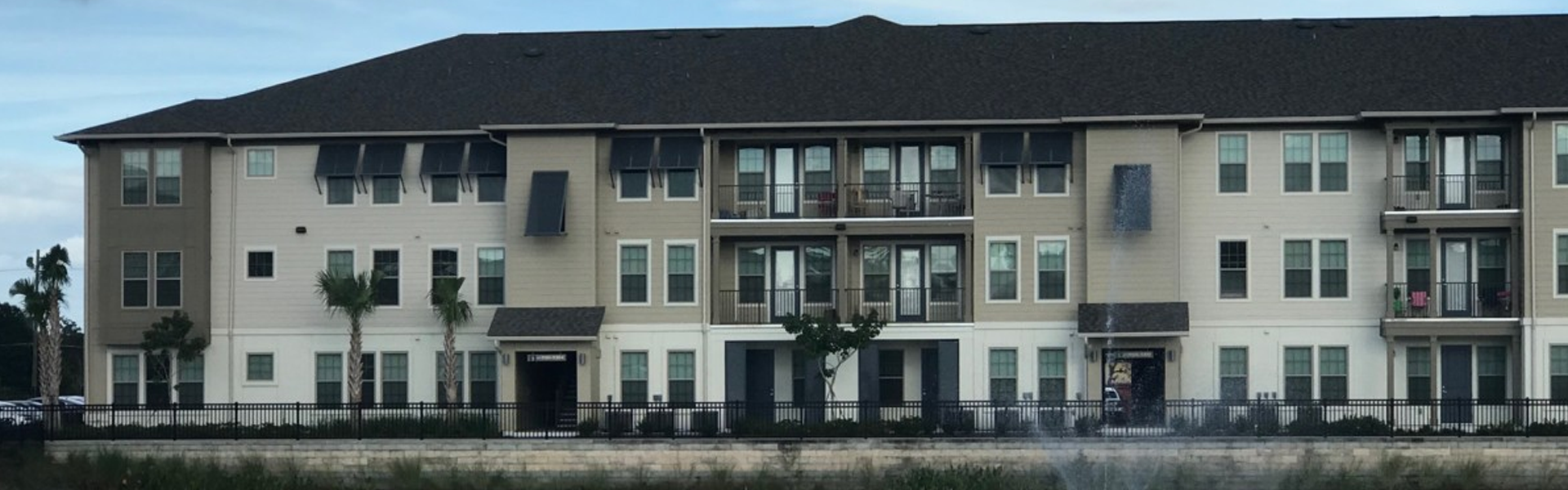
Instead of engaging and utilizing the many resources at hand for the development of affordable housing, i.e., strong support from HUD, the availability of several financing and housing assistance tools, the availability of almost 300 acres of AHA owned vacant land, Reed engaged in petty personality squabbles with AHA President Renee Glover. Glover, a much admired and nationally revered professional in the public housing and affordable housing arenas, left AHA in 2013.
Reed then turned his ire on Glover’s most prolific developer of affordable housing, Egbert Perry and his company Integral Development. The vengefulness grew to a boil in 2016 when Reed had the AHA board to authorize AHA to file a lawsuit against Integral over land it had options to purchase for the purpose of providing wraparound mixed uses to hundreds of public housing units and affordable housing units it had developed on several tracts of land years earlier. A Fulton County Superior court judge dismissed the lawsuit seven months after it was filed. Reed spent millions in legal fees suing Integral. Because the AHA had agreed to provide Glover with protection from any follow-on lawsuits after she left her position as President of AHA, the AHA ended up paying her legal bills to the tune of $1.3 million on a lawsuit they caused to be brought against her.
In December of 2017, Reed doubled down on his hatred of Glover and Perry by authorizing and hiring his old law firm, Paul Hastings, to file a RICO lawsuit against Glover and Perry three weeks before he left office at the end of 2017. The lawsuit was so preposterous that his successor, Mayor Bottoms, dismissed it only four months later. Instead of building bridges to proven leaders in the affordable housing space, Reed’s flawed personality saw only icons in that space to be derided and disparaged. In his warped and diminished sense of self-worth, the reputations of others had to be torn down in order to build his up. The result was tragic for Atlantans in need of affordable housing as nothing got done except the needless expenditure of millions of tax dollars in legal fees.
Over two years after leaving office, in February of 2020, when AHA and Integral finally reached agreement over resolving counterclaims made by Integral against AHA, Reed appeared at an AHA board meeting to urge scuttling the deal. Prior to the meeting, in full manifestation of his personal vindictiveness and malice toward Integral, he went on a social media campaign urging affordable housing advocates to speak out against a conclusion to the legalities between the parties. A Saporta Report article in February of 2020 described Reed as having an irrational animosity against Integral CEO Egbert Perry and former Atlanta Housing Authority CEO Renee Glover. Consequently, four years after he initiated lawsuits against AHA's most prolific private affordable development partner who developed thousands of affordable units, the legal wrangling continues.